
When Jimmy began recording his sermons, there was no developed theology or coherence. The sermons were individual performances, unlike the music. They were meant to be sold cheaply and quickly, in the fervent heat of salvation. Later, when he went on the radio, he quickly realized he needed to make sense. Stripped of his usual resources, forced to sit behind a microphone, he was forced to do so. Out there on the road, he did not have to be consistent. If anything, he needed to avoid obvious heresies, but that was an old trick by then.
As the son of Pentecostals in exile, he had learned to distance himself from shameful outcries and childish prophetic utterances. Embracing their strange ways and now on his own, he worked out how to use discomfort to his advantage every time he got up to preach. He knew how to provoke, to shout, to use his body to intimidate, to mock, to unnaturally tilt his voice into a falsetto to make mockery as well as make a point. He was Jerry Lee’s cousin, after all. Pissing people off was part of his family heritage. Channeling his righteous anger, Jerry Lee would seem tame by comparison. After all, all he knew to do was kick over a piano bench. Jimmy had to play through the anger, stay focused, keep working the crowd. Get up on that stage, sing a little bit for the Lord, and pass the hat.
Jimmy didn’t see it like that. That was the problem. He had avoided God’s for so long because he wasn’t sure what to say or do. For him, there was no piano bench to kick. He had to play through. He had to stay focused. He had to keep working the crowd.
When he started out, Jimmy preached on the corner of his family’s grocery store. Former classmates would jeer or walk past, shaking their heads. Another crazy one in the family. Bless his heart but try as he might, Jimmy Lee was no Jerry Lee. Jimmy stayed at it anyway. He got speakers. He got up on a flatbed truck, and from up there he could see a little farther than everyone else. If he shouted a little louder, they would hear him another block over. Someone would turn around or look over their shoulder two blocks down and he would call out to them. Come on over here! I see you, Friend! There’s a whole bunch of other people down here, just like you! He was learning who he was. He was defiant as he smiled wider at the judgment of those he had grown up with, laughing louder than those who mocked him. It turned out, people liked him a little more than Jerry Lee. Jerry Lee was always out there, somewhere else, across the Ocean doing God only knows what. He was too far away to stay relatable. One of them. “Good people.” They liked someone they could relate to, up there on the stage of that flatbed. Sure, Jimmy must have thought, go on and laugh at me. That’s all right. I’m one of you but one day, I’m going to get out of this goddamn hole and do something more than tar roads and pick cotton.
Music was what brought in the crowds. Always had been. Although Elvis and Jerry Lee were bringing rock n’ roll into popular culture, there was a reactionary culture within Evangelicalism that wanted to reclaim the airwaves for Christ. All he needed to do was keep his sound folksy. His piano playing, which offended older churchgoers in the South, could be tampered with acoustic guitars, banjos, and fiddles, like the kind his parents played to sound morose. This life was a weary one alright, and Heaven was sounding sweeter all the time. Oh, that blessed yonder when a traveler like him could lay down this heavy load of shame. Just a few more days on this weary road of misery. Jimmy’s enthusiasm and buoyancy offended the religious. They wanted the familiar sound of suffering.
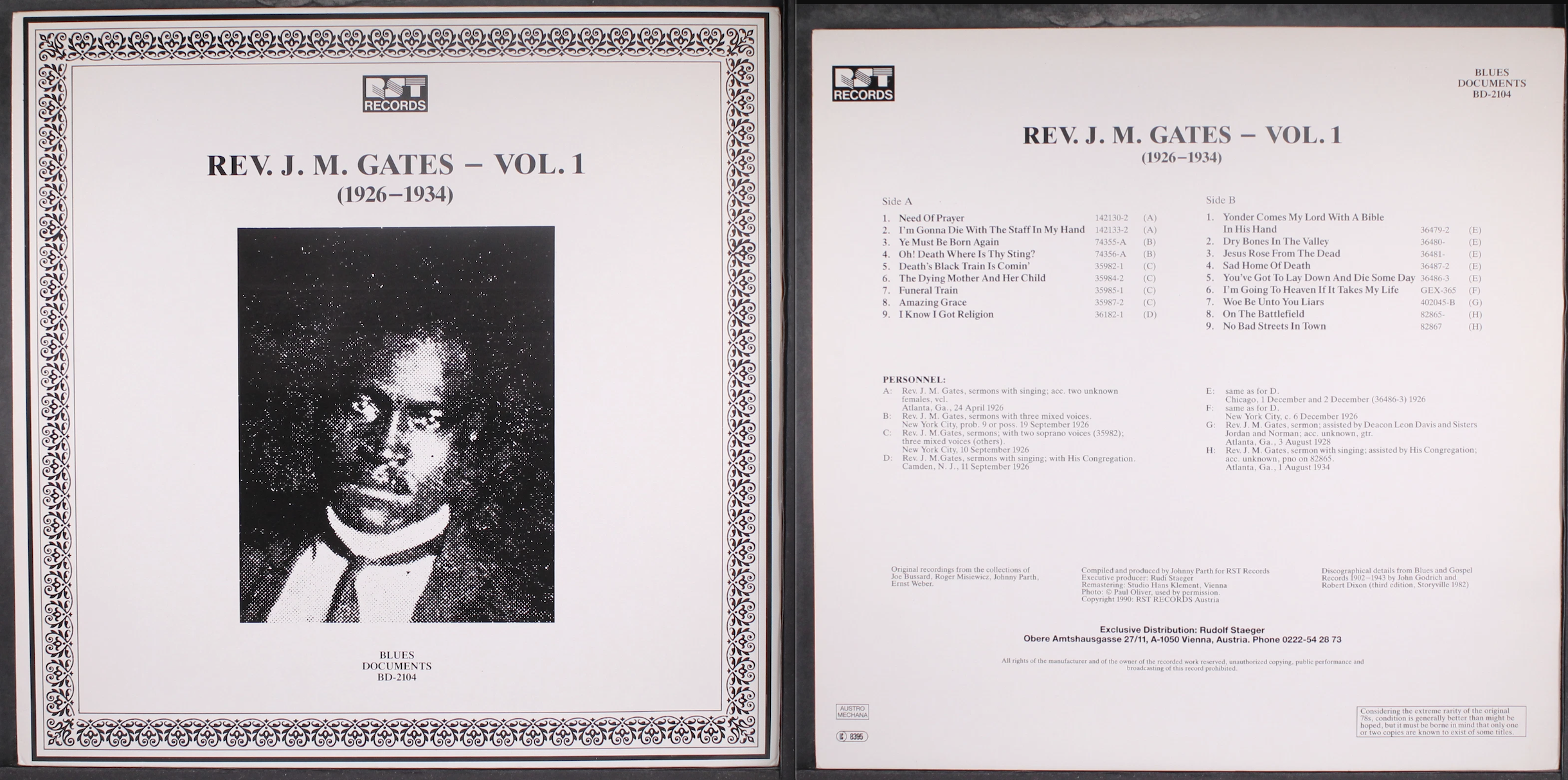
Even then, there was a wide market for his sound. Rev. James M. Gates of Atlanta had become famous in the middle of the Roaring Twenties by selling albums to his fellow Blacks. It made no sense and defied the expectations of record companies, but there it was in Columbia Records’ ledger. As Lerone A. Martin writes in her Preaching On Wax: The Phonograph and the Shaping of Modern African American Religion (2014), Gates’ first phonograph sermon was a runaway bestseller for a completely new market.
The sermon was priced at almost twice the national average hourly wage, comparable to over thirty dollars today. The cost, however, did not dissuade cosumers. The first release sold out so quickly, the label hurriedly pressed over thirty thousand copies of his second sermon to meet the demand. When retailers swiftly sold out, Columbia placed a supplemental order of another 20,000 copies the very next month. Americans got phonograph religion. When Gates arrived in New York City, more than ten labels vied to get him in the studio, including industry stalwarts Paramount and Victor (later RCA-Victor). The entrpreneurial preacher obliged them all.
Swaggart’s appeal, like Gates’s, was that he had grown up poor and lacked eloquence. He was plain spoken and tapped into the existential dread people like him, people who had left their rural childhoods for the sprawling cityscape, found with adulthood. Gates, decades before Swaggart, warned of the dangers of the city upon traditional religion. Gates, decades before Swaggart, recorded “vernacular sermons to fit the time parameters” of records “and delivered them to the tune and pace of the jazz and blues era” as Swaggart would with rock n’ roll. In a real sense, Swaggart’s sermons were every bit as fiery and unpredictable as his cousin’s music.
During his career, Gates recorded over two hundred such sermons, making him a leading spokeperson of old-fashioned revivalism. A white southerner attested to Gates’ plain-folk appeal. “[I have] heard [D.L.] Moody, Billie [sic] Sunday, and Dr. [Charles] Fuller,” the mayor of Cedartown, Georgia, reportedly admitted. But when he heard Reverend Gates preaching, he was convinced that “there is not a man, living or dead, who could make it so plain.” Mainstream (white) publications of the day, such as the New York Times, Variety, or Time Magazine, did not feature or comment on Gates’s revivalism as they did Moody, Sunday, and Fuller. However, in the eyes of many plain folk, Gates’s gospel labors were just as significant.
People were eager for someone who knew their suffering to give voice to it, not for political purposes but as an outcry to the nation and, ultimately, God. Moody, Sunday, and Fuller were the voices of polished white men.
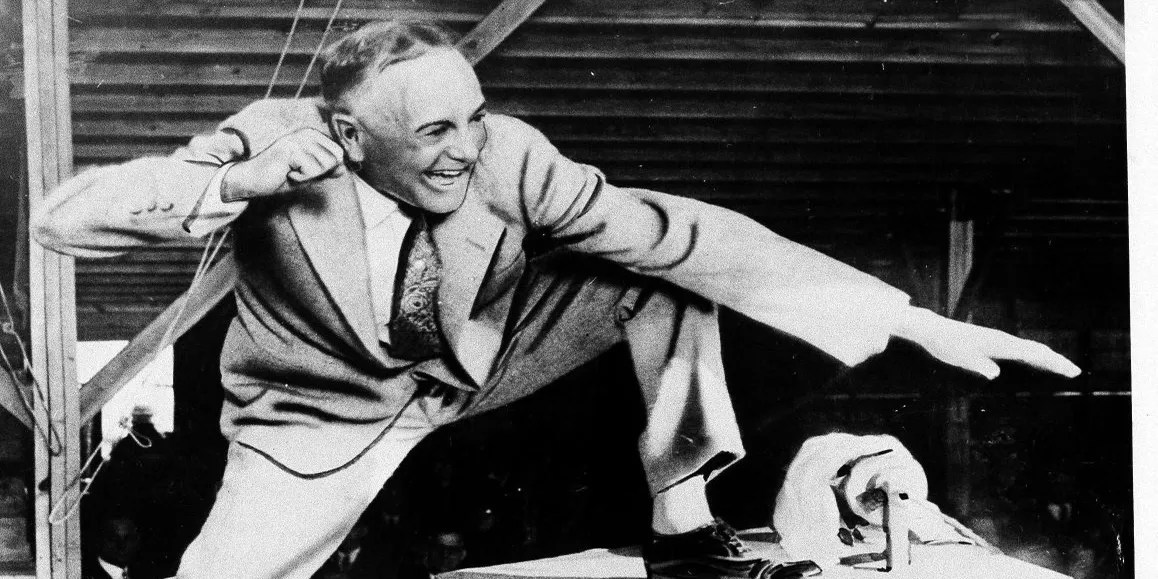
Billy Sunday, before becoming an evangelist, had been a professional baseball player. He was popular, attractive, and dynamic on stage. But when he threw his weight behind Prohibition, sermonizing on the importance of its ban and perpetual illegality, Southerners could no longer stand him. He was a pretty boy up there, looking down on those who needed moonshine to make the pain a little easier to bear. D.L. Moody had made a good living as a boot and shoe salesman, but when it became known that he helped outfit the North, he lost whatever appeal or moral authority he might have earned from Southerners. As for Charles Fuller, he was out West in Los Angeles, which might as well have put him on the moon except that the Lord had apparently moved out there Himself.
Before Fuller, Aimee Semple McPherson had dominated the airwaves with her theatrical performances of the Bible, her dedication to helping the downtrodden and migrant populations during the Great Depression. McPherson was an anomaly who could only be explained in light of the Pentecostal explosion that had begun with William J. Seymour and the Azusa Street Revival of 1906. All the best Pentecostals went out West eventually, where anything was possible. If Blacks could lead revivals and send ministers around the world to distant places like China, Mozambique, and Haiti, then surely God could use a white woman. And so God did.

In 1913, unable to find peace in marriage and domestic responsibilities, Aimee Semple McPherson began preaching in tent revivals along the “Sawdust Trail”, a colloquial term for small evangelistic efforts across America by unknown ministers. These tent revivals were known for tossing sawdust on the ground to help drain puddles and on rented building floors, to soften footsteps and avoid complaining neighbors and businesses.
McPherson, or “Sister Aimee” as she came to be known, was remarkable in her ability to develop a stage personality. It didn’t hurt that she was one of the only women on the Trail. Years earlier in 1857, evangelist and faith healer Maria Woodworth-Etter felt called into ministry at a time when women were not only not allowed to preach, but had a restricted place in society. Woodworth-Etter greatly influenced McPherson; the two met in person on several occasions prior to Etter’s death in 1924. Etter had broken the glass ceiling for popular female preachers, drawing crowds of thousands, and her style influenced the Pentecostal Movement.
As Woodworth-Etter aged, McPherson was her heir-apparent. “Sister Aimee” quickly amassed a large following, often relocating to larger buildings to accommodate the growing demand of crowds. Like Woodworth-Etter, McPherson moved through many churches trying to find one that would give her a platform to share her gifts in ministry. A Pentecostal, she often found herself working with the Salvation Army for credibility and legitimacy. Unlike her male contemporaries, Sister Aimee’s preaching emulated the enthusiasm of Pentecostal meetings while avoiding excesses in which participants would shout, tremble on the floor, and speak in tongues. For these attendees, McPherson set up a separate tent area for such displays of religious fervor, which could be off-putting to larger audiences. Decades later, Swaggart would do something similar in his own meetings (American sermons) and crusades (those sermons preached abroad, where he celebrated American exceptionalism and the tenets of democracy).
Downplaying Pentecostal excess was not the only thing Swaggart learned from McPherson’s ministry. In 1916, McPherson embarked on a tour of the southern United States, and again in 1918 with Mildred Kennedy. Standing on the back seat of their convertible, McPherson preached sermons over a megaphone. In 1917, she started a magazine, Bridal Call, for which she wrote articles about women’s roles in religion, emphasizing the link between Christians and Jesus as a marriage bond. Along with taking women’s roles seriously, the magazine contributed to transforming Pentecostalism into an ongoing American religious presence. It was in Baltimore in 1919 that McPherson was “discovered” by newspapers. There, she conducted evangelistic services at the Lyric Opera House and, following Woodworth-Etter’s example, she chose not to marginalize her Pentecostal friends but instead performed faith-healing demonstrations. During these events, the crowds in religious ecstasy were barely kept under control, so the services attracted attention, needless to say. Among Pentecostals, one of their own had made it big” by being allowed to preach in a well-known venue. For women, a woman in such a prominent place of spiritual leadership was surely inspiring. For those who rejected the Pentecostal experience as a bunch of hooey, McPherson’s audiences and overwhelming popularity were still newsworthy. Baltimore became a pivotal point for her early career. Wanting to catch a rising star, McPherson was ordained as an evangelist by the Assemblies of God USA in 1919. However, her gender caused such unending frustration within the denomination that she ended her association with the denomination in 1922. In this too, Swaggart took note. When a preacher was too big for their denomination, the denomination either gave way or got left behind.
McPherson stayed in the papers for years after Baltimore. In October 1918, she and her family drove from New York to Los Angeles over two months, with McPherson preaching revivals along the way. In New York, she had felt God tell her that He would take her off the road and give her a home in Los Angeles. When she arrived in Los Angeles that winter, her services were initially held at Victoria Hall, a 1,000-seat auditorium downtown. No small accomplishment, considering her audience continued to return each night and bring friends and family of their own. Surely, McPherson capitalized on the fame she had been garnering during this time, but she also benefited from an open-minded population who would have known about the Azusa Street Revival and riverbed of ministries in the area that insisted God had found a home in California.
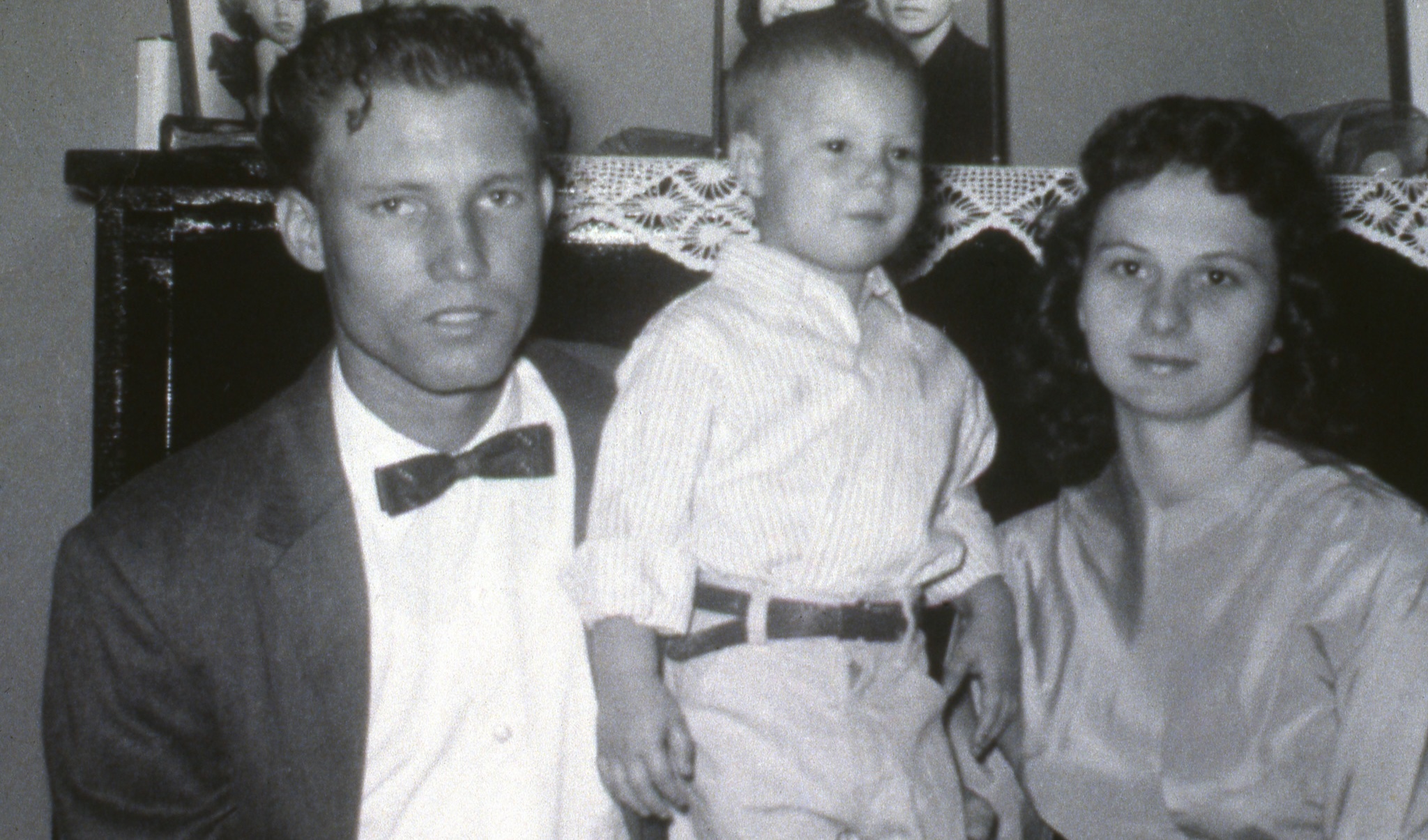
Like McPherson, Swaggart would openly claim he was a singular figure. That God’s anointing was so strong upon him that he could simply show up and people would attend his meetings. However, it is far more likely that, like McPherson, Swaggart continued to benefit from a wide network of churches in the areas he visited. After all, when Swaggart began to conduct his meetings across America, he knew the ministers wherever he went. He had preached in their churches while he, Frances, and Donnie were on the road, living out of their car or in church basements. As for newer churches, many young Pentecostals had already been saved and filled with the Spirit of God under Swaggart’s tutelage. They had his records. He wasn’t just a celebrity, he was one of them. So, while Swaggart was singular in many ways, like McPherson, he knew how to network and who could help him pack auditoriums.
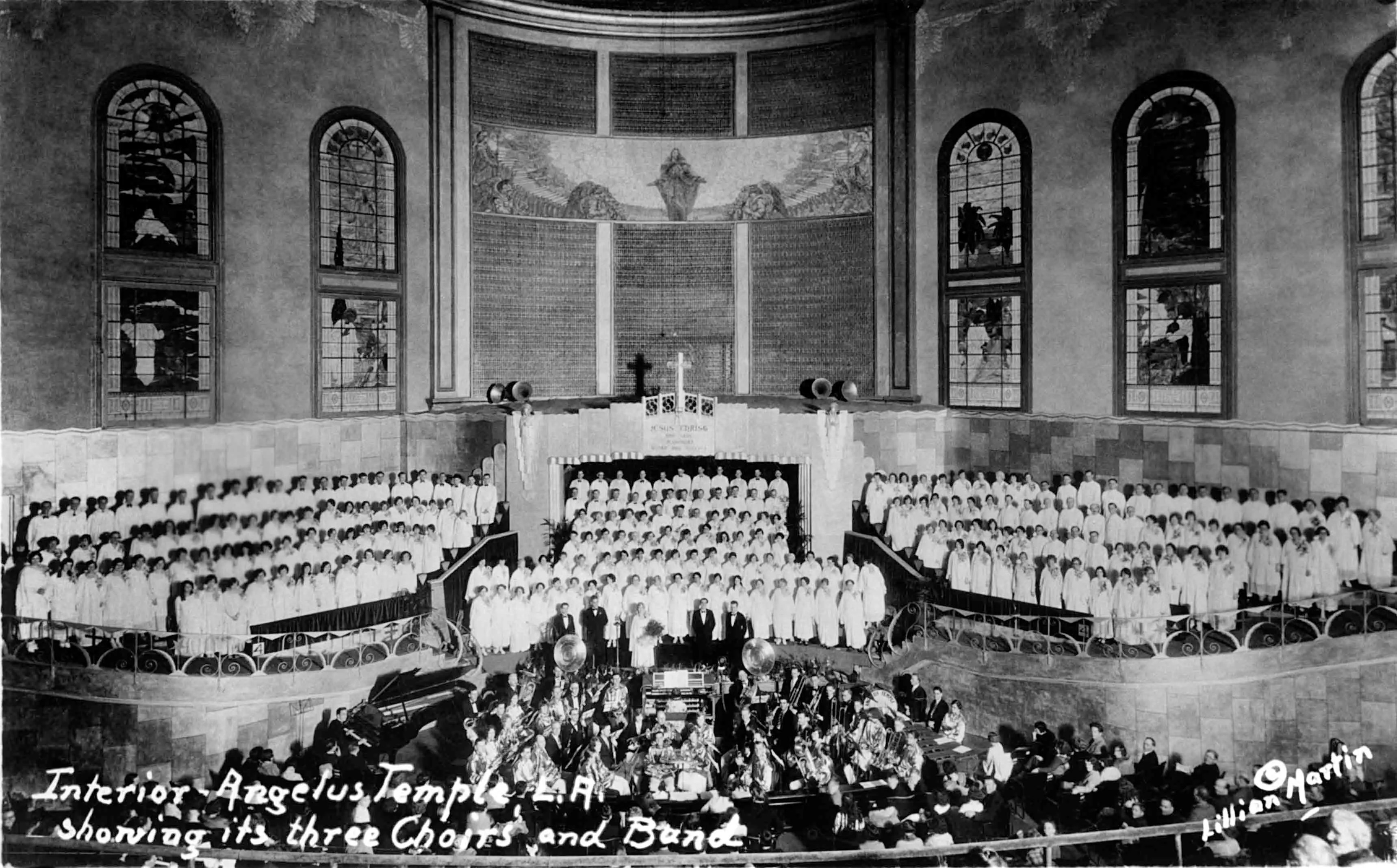
In Los Angeles, the Victoria Hall venue soon reached capacity and McPherson had to relocate to the 3,500 seat Temple Auditorium on Pershing Square, where people waited for hours to enter the crowded venue. These meetings were so impactful, it seems, that attendees were “led of the Lord” to build a home for her family, fulfilling the promise God had given McPherson when she left New York. For several years, she traveled and raised money for the construction of a large, domed church in Echo Park, named Angelus Temple, in reference to the Angelus bells and to angels. Not wanting to incur debt, McPherson found a construction firm willing to work with her as funds were raised “by faith”, beginning with $5,000 for the foundation. McPherson mobilized diverse groups to fund and build the church, by means such as selling chairs for Temple seating. Raising more money than expected though, McPherson altered the plans and built a “megachurch”, one of the first in the nation. Costs were kept down by donations of building materials and labor; the entire project cost contributors around $250,000, equivalent to almost $5.2 million today. Her large crowds had been promoted in church attendees with an church enrollment of over 10,000. Angelus Temple was advertised as the largest single Christian congregation in the world, and it was not hyperbole or inflated self-serving propaganda. According to church records, the Temple received 40 million visitors within the first seven years.
Drawing from her childhood experience with the Salvation Army, in 1927 McPherson opened a commissary at Angelus Temple offering food, clothing, and blankets. She became active in creating soup kitchens, free clinics, and other charitable activities during the Great Depression, feeding an estimated 1.5 million. Volunteer workers filled commissary baskets with food and other items, as well as religious literature, including literature and materials promoting the new denomination she founded, the Foursquare Gospel Church. When the government shut down the free school-lunch program, McPherson took it over.
Her charity work didn’t begin, or end, there. She had already developed a church organization to provide for physical as well as spiritual needs. McPherson mobilized people to get involved in charity and social work, saying that “true Christianity is not only to be good but to do good.” The Temple collected donations for humanitarian relief including for a Japanese disaster and a German relief fund. Men released from prison were found jobs by a “brotherhood”. A “sisterhood” sewed baby clothing for impoverished mothers. In June 1925, after an earthquake in Santa Barbara, McPherson interrupted a radio broadcast to request food, blankets, clothing, and emergency supplies. In 1928, after a dam failure killed hundreds, McPherson’s church led the relief effort. After a 1933 earthquake in Long Beach, McPherson quickly arranged for volunteers to offer blankets, coffee, and doughnuts; she even persuaded fire and police departments to assist in distribution. Locally, doctors, physicians, and dentists staffed her free clinic that trained nurses to treat children and the elderly; to prevent disruption of electricity service to homes of overdue accounts during the winter, a cash reserve was set up with the utility company. Her giving “alleviated suffering on an epic scale,” according to biographer Daniel Mark Epstein’s Sister Aimee: The Life of Aimee Semple McPherson (1993).
Swaggart would also fall into scandal. More than once. Just like McPherson.
But we haven’t gotten there just yet.
Swaggart largely ignored McPherson’s charity work. Feeding the hungry, clothing the homeless, making sure children had school and lunches, all of this was too “socialistic” for him, too similar to the “Communism” of President Franklin Roosevelt, whose public works department ultimately employed the young preacher and every other male in his family. America, the real and godly America, never asked for a handout and refused it when it was offered. Jimmy focused on her celebrity, her ability to command an audience’s attention with theatrics. He was eager to learn more about McPherson’s radio ministry, how she expanded her ministry into such a well-oiled enterprise.
Marie Zimmerman of Vinton, Iowa, may have been the first woman to receive a broadcasting license in October 1922, but McPherson was the first woman to actually broadcast on the radio with her “Foursquare Crusader” program, predating Zimmerman’s claim by a few months in April of that same year. With the opening of Foursquare Gospel-owned KFSG in 1924, McPherson became the second woman granted a broadcast license by the Department of Commerce, which supervised broadcasting at the time.
By early 1926, McPherson had become one of the most influential ministers of the time, and – without rival – the most powerful woman in radio, her voice as recognizable as Eleanor Roosevelt. Ralph Giordano’s Satan in the Dance Hall (2008) claimed that McPherson’s fame equaled that of Charles Lindbergh, Johnny Weissmuller, Jack Dempsey, Babe Ruth, Ty Cobb, Knute Rockne, Bobby Jones, Louise Brooks, and Rudolph Valentino. George Hunston Williams agrees in his Contentious Triangle: Church, State, and University (1999), offering that McPherson was unquestionably a major American phenomenon who, unlike Hollywood celebrities, could be admired by their adoring public “without apparently compromising their souls.”
McPherson wasn’t the only radio preacher in Los Angeles, though. While her ministry was increasingly flamboyant and theatrical, ultimately scandalous, other ministers were plodding along and amassing small fortunes in building radio empires of their own and schools that would reinforce the teachings of these ministers. Charles Fuller, a popular contemporary of McPherson, is one such example. Just a short drive away from McPherson’s Angelus Temple, Fuller was using the funds from his radio ministry to build Fuller Seminary in Pasadena. The school was founded in 1947 and benefited greatly from those returning from World War II who wanted to start a new life and go back to school on the G.I. Bill.
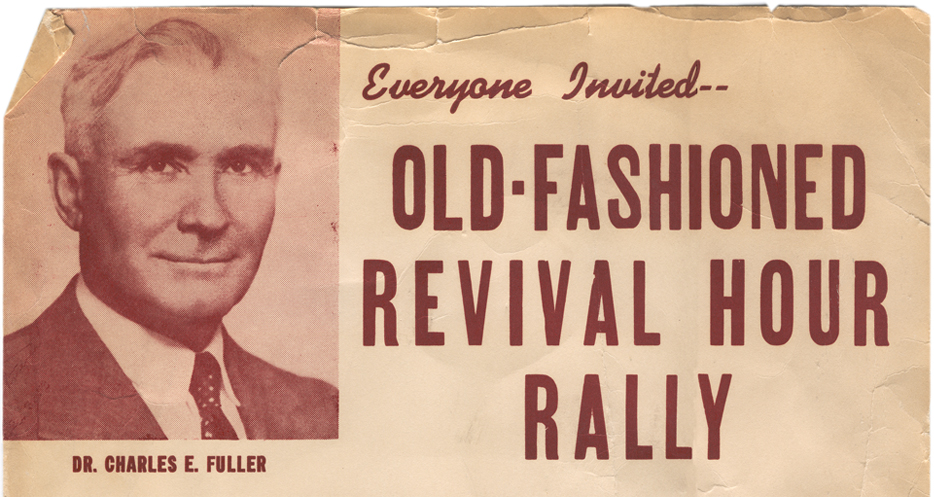
Fuller’s radio program and, ultimately, the seminary he built were reflections of himself. He had been a chemist and worked for his father’s citrus-packing business before attending Biola University, a Christian school in Southern California. He would eventually join the board and become its chairman. At Biola, he studied under R.A. Torrey and adopted his pro-American form of fundamentalism and dispensationalism. Fuller had been attending Placentia Presbyterian Church until 1925, when he led a split from the church with several members of the Sunday School class he had been teaching. Curiously, at that same time, his teacher, R.A. Torrey, resigned as dean of Biola University and became the pastor of Church of the Open Door.
Unlike McPherson, who dedicated tremendous resources to helping the people of Southern California with food, shelter, work, and housing, and his mentor R.A. Torrey, who followed the example of D.L. Moody in promoting local and missionary services to those in need, Fuller gave up on these efforts pretty quickly. He wanted personal acclaim and eventually built a school like Moody, but never gave himself over to education and building schools in the same way that Moody did. His form of American exceptionalism had little space for immigrants in the work of God being done in America. Like many other ministers who felt the Church had become a relief agency instead of a center for personal spiritual development, Fuller rejected the Social Gospel outright. His mentor, R.A. Torrey, would even edit a series of essays, The Fundamentals, that bent Evangelicalism away from social justice and helping the poor for the next century. The Fundamentals taught that the Church’s mission was to save people for the next life, not help them materially in this one. Such efforts were misguided and not at all what Jesus, the Apostles, or Paul emphasized in the Christian Scriptures. Instead, forward-thinking figures in the Bible set an example. The only way to help the poor was to encourage them to get a job and promote personal responsibility. When Jesus healed the sick, though the Gospels do not say this, surely Jesus would have commanded them to get a job. When the Apostles followed Jesus’ example of healing the blind, it was understood that they would make something of themselves. They were healed because their lives were worthless and a drain on society, their continual request for help an annoyance to society.
Unsurprisingly, after leaving Placentia Presbyterian, Fuller became a Baptist minister in 1925 and began pastoring a group that would become Calvary Church. It served as a launchpad for his radio ministry. By 1930, Fuller was regularly broadcasting Calvary’s Sunday school services as well as Bible study programs in the local area; eventually, the time he spent on the radio broadcast conflicted with the time he spent pastoring his church, so he either resigned or was more likely fired in 1933 when he formed the nonprofit Gospel Broadcasting Association to support his radio efforts. As the host and speaker of The Old Fashioned Revival Hour, a weekly Sunday radio broadcast that aired from 1937 to 1968, Fuller became a household name. The first nationwide broadcast occurred on October 3, 1937, on the Mutual Broadcasting System. During World War II, his messages of patriotism, personal salvation, and hard work gave hope to many disenfranchised Americans. Fuller’s sermons promoted self-determinism for listeners to pick themselves up by the bootstraps and work out their own salvation. The Old Fashioned Revival Hour broadcast was originally recorded in a Hollywood studio and in 1941, it moved to the Long Beach Municipal Auditorium in Long Beach, California. From 1941 through 1958, audiences attended services that were broadcast live on the radio from the Auditorium in the same way that Aimee Semple McPherson’s radio programs were live (or syndicated recordings of live) services. Live programs helped to capture the audience, assuring them that they were tuning into a real church service. Long after McPhersons disappeared from the airwaves, The Old Fashioned Revival Hour returned to a recording studio. There were new demands on Charles Fuller’s schedule, like the construction of Fuller Theological Seminary in Pasadena. The seminary opened in 1947 and Fuller’s son, Daniel Fuller, served the seminary as Dean and professor of hermeneutics for the next 50 years. Recording The Old Fashioned Revival Hour allowed the Fuller family to have more control over the narrative they were putting out; the program was noted for its music, featuring the Old Fashioned Revival Hour Choir and quartet, accompanied by organist George Broadbent and pianist Rudy Atwood with a more refined sound. In fact, the choir made several popular recordings in the 1940s and 1950s. Aided by his wife, Grace, The Old Fashioned Revival Hour program created a family-like atmosphere. In 1942, it attracted an audience of over 10 million listeners worldwide and in 1951, the program was carried on the ABC Radio Network, where it was heard on more than 650 radio stations making it the most popular religious radio program to that point.
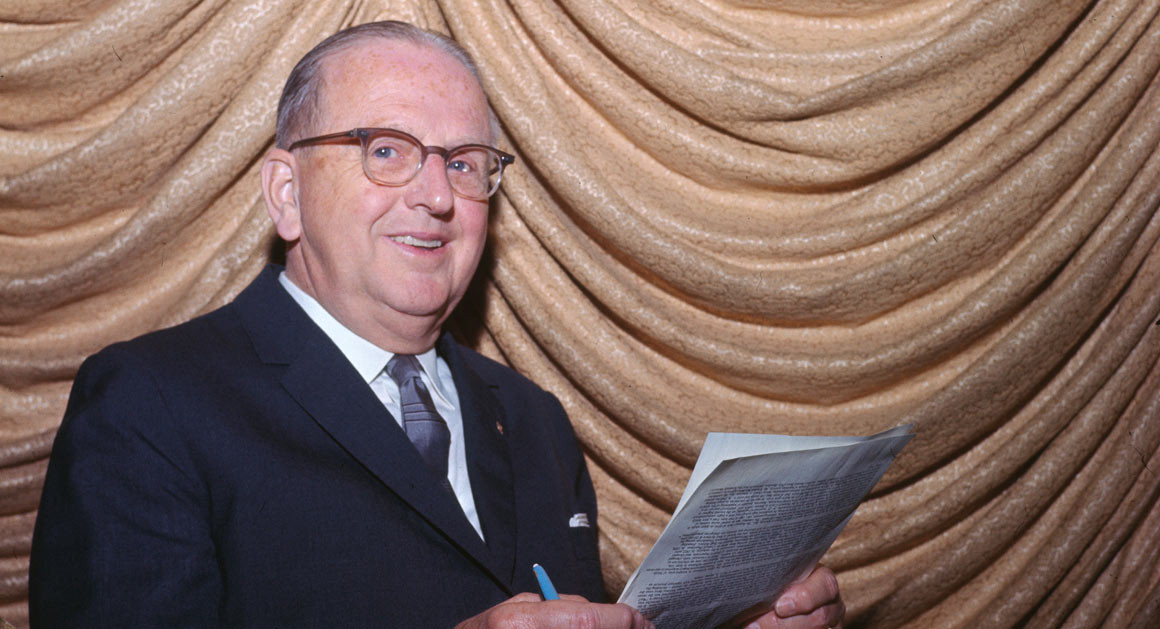
Fuller was not unique in bending the arc of Evangelicalism away from justice, replacing social responsibility for a focus on the individual experience of self. In 1952, Norman Vincent Peale, pastor of Marble Collegiate Church in New York City, published The Power of Positive Thinking: A Practical Guide to Mastering the Problems of Everyday Living. The self-help book provided anecdotal “case histories” of positive thinking using a biblical approach with practical instructions designed to help the reader achieve a permanent and optimistic attitude. These techniques involved affirmations and visualizations, which Peale claimed would give the reader a higher satisfaction and quality of life. Scholars, seminarians, religious leaders, and many Christians denounced the book as hogwash and heresy. Even Peale’s light smattering of scripture was laughably out of context and, placing emphasis on the self, ran afoul of the teachings of Jesus and Paul. Nevertheless, Evangelicalism was charting a new course for American Christianity by setting aside scripture and emphasizing the importance of self and satisfaction.
Once Jimmy drove that truck around and started playing then preaching in churches, he began to recognize God was pulling him out that hole Ferriday. Perhaps he felt inspired by the radio programs he listened to in juxtaposition with the music his cousin had created. Repeating his grandmother’s stories about revivals were well and good for small crowds. Her emphasis on “being filled” with the third member of the Trinity, the Holy Spirit, wouldn’t be enough though. After a few laps of the parish, everyone had heard those stories. The ones about Jerry Lee too. He was running out of material. He had to break through these small, restricting barriers holding him back. So he dug in and read the Bible all over again, embracing Pentecostalism and trying to make connections between what he saw in the Bible and the hard life he had grown up living. That the people who heard him preach were still living. On the road, moving between Arkansas and North Louisiana, Mississippi, sometimes Alabama, Jimmy heard ministers on the radio like Oral Roberts, the rising star Billy Graham’s crusades, and the church services of Charles Fuller. Even old sermons by Aimee Semple McPherson rebroadcasted sometimes late at night, all the way out there in California, when there weren’t too many clouds.
In his new repertoire of sermons, “I’ve Left This Pea Patch for the Last Time” was a favorite because it channeled all of the anger he still felt about poverty. Based on the story of Shammah in 2 Samuel 23, the sermon was about actively protecting and stewarding what God had entrusted to him, rather than passively allowing the enemy (or challenges) to encroach or take over. In the biblical story, Shammah stood his ground in a field of lentils against the Philistines, demonstrating courage and faithfulness in defending his “pea patch.” It wasn’t enough that Jimmy felt called to something important, he wanted his audiences to feel the same way. He wanted them to have hope, at least to not feel so downtrodden by life, which was to become a recurring theme in his ministry.
Jimmy’s thoughts on the end of the world were also popular. Robert Frost said the world would end in either ice or fire, but Jimmy knew it would be bombs and war. Ezekiel’s prophecies about long-gone nations Gog and Magog were, naturally, the enemies of a post-World War II planet – Germany and Russia. Everyone loved a familiar villain. “Stars falling from the sky” in the Book of Revelation were rockets and bombs, Jimmy hypothesized. But they were also “signs and wonders” in the sky of a cosmological battle being conducted – not in the future, but right now in the spiritual realm. His audience seemed to agree. The red-clothed woman who rode the dragon in Revelation was, Jimmy posited, a metaphor for sexual excess like Jerry Lee kept getting himself tied up in. The sexual permissiveness of a changing era. The encroachment of pornography on a nation desensitized to war as well as vice. All of this might be evidence of a spiritual battle. But it was also a very real one for Jimmy, in the future as well as the present. The lure of temptation, he would admit much later, had been with him since he was young. Pat Robertson, the founder of the Christian Broadcast Network, once insinuated that Jimmy had told him he – Jimmy – had been introduced to pornography and prostitutes by his father and grandfather. Having sex with a prostitute was a rite of passage for a young Southerner, a reward for hard labor. Later, fellow televangelist Oral Roberts would say Jimmy had admitted the same thing to him. So would New Orleans pastor Marvin Gorman. The consistency of their stories leads one to conclude that Jimmy’s developing theology was as much self-reflection as it was personal performance. His audience, it turned out, was primarily himself. His sermons were a form of veiled self-stimulation in front of a cheering audience. His criticisms, what people cheered him for the most, expose a tormented soul doing everything he could to bring hope and possibility out of the spiritual realm and into the present experience.
 Theology & the City
One thought on “Biography: Jimmy Swaggart, Chapter 12(A)”